
USA 250 Walking Tour
On July 4, 2026 the United States will mark 250 years since the signing of the Declaration of Independence. The relationship between Scotland and the United States is a long-running and layered one. It spans three centuries, with our deep cultural, historical, and economic links forged by generations of immigration, commerce, and pioneering visionaries. No more is this linkage more self-evident than in Scotland’s capital city of Edinburgh, which as the cradle of the Scottish enlightenment, can lay claim to shaping the civic and social foundations of the United States.
Our tour begins at the University of Edinburgh, where two signatories of the Declaration of Independence, Benjamin Rush and John Witherspoon, studied. It progresses to important cites like Edinburgh Castle, where American sailors held prisoner during the Revolutionary War scratched what may be the earliest known depiction of the Stars and Stripes into a prison door. It runs through war and near-invasion: John Paul Jones, the Scottish-born “father of the U.S. Navy,” sailed into the Firth of Forth in 1779 and threatened to bombard Leith, prompting the city to build a fort in direct response. By 1798, President John Adams appointed the first U.S. consul to Scotland, Harry Grant of South Carolina, in Leith.
Scotland’s influence on America can also be traced through the hands of craftsmen: Scottish stonemasons from Edinburgh crossed the Atlantic to build the White House, carving a Scottish double rose into its facade that remains there today. It also passes through the life of Benjamin Franklin, who visited Edinburgh multiple times, lodged with David Hume, stayed at Prestonfield House, was made a fellow of the city’s learned society, and whose portrait hangs in the Café Royal pub to this day. It runs through economics: Adam Smith published The Wealth of Nations in 1776, the same year as the Declaration of Independence, which helped shape the American economic model from the Founders to present day Wall Street.
It reaches into the abolitionist struggle, philanthropy, and religion. The tour also extends through art, technology, education, and more. The connections between Edinburgh and the United States are historic, varied, and continue to be strong to this day.
This tour traces this full arc: seventeen stops (including three extension opportunities), three centuries, one extraordinary relationship.
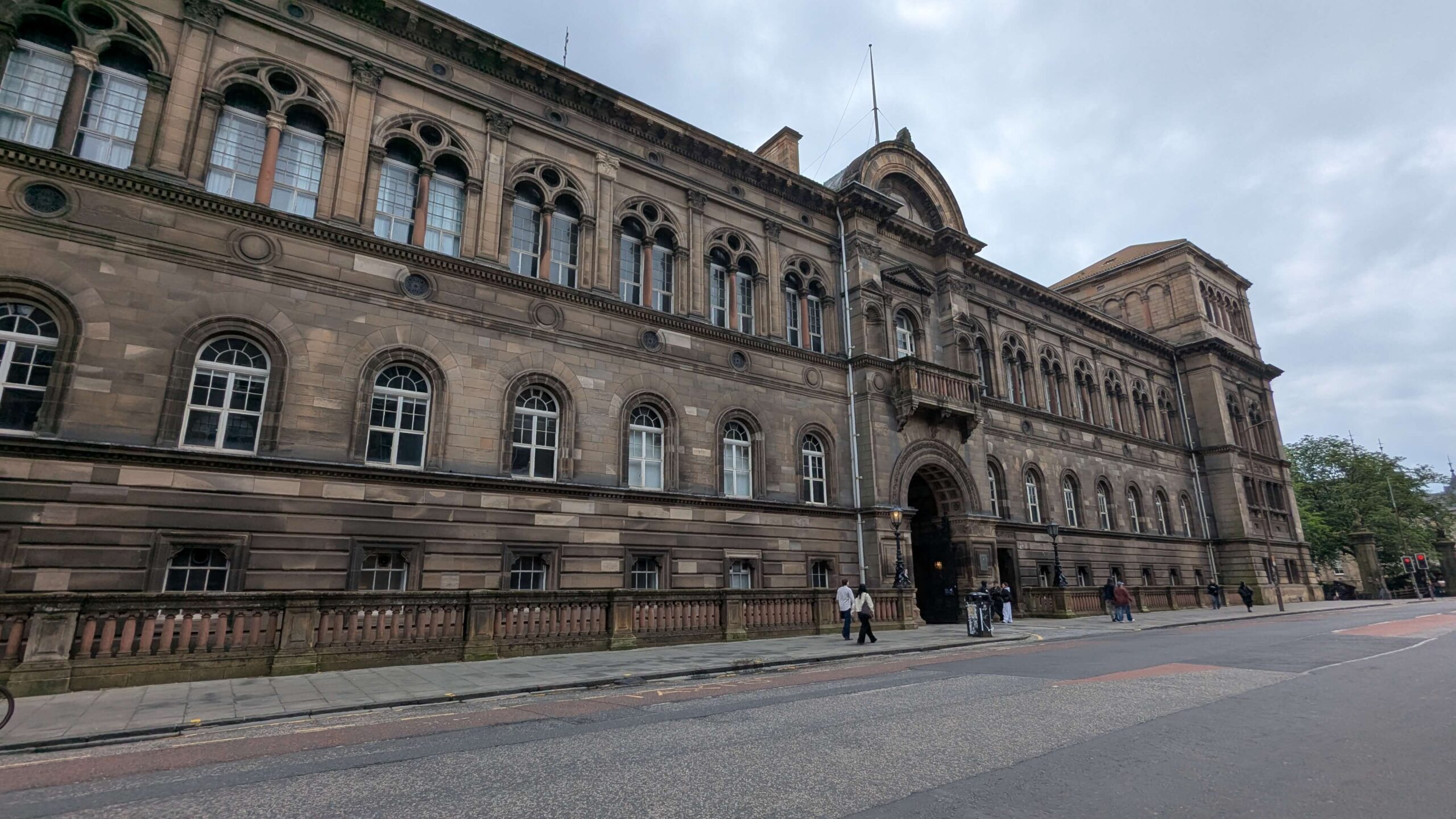 | University of Edinburgh – Declaration Signers Plaque A plaque on the facade of the Old Medical School on Teviot Place marks one of the most direct connections between Edinburgh and the creation of the United States. More… |
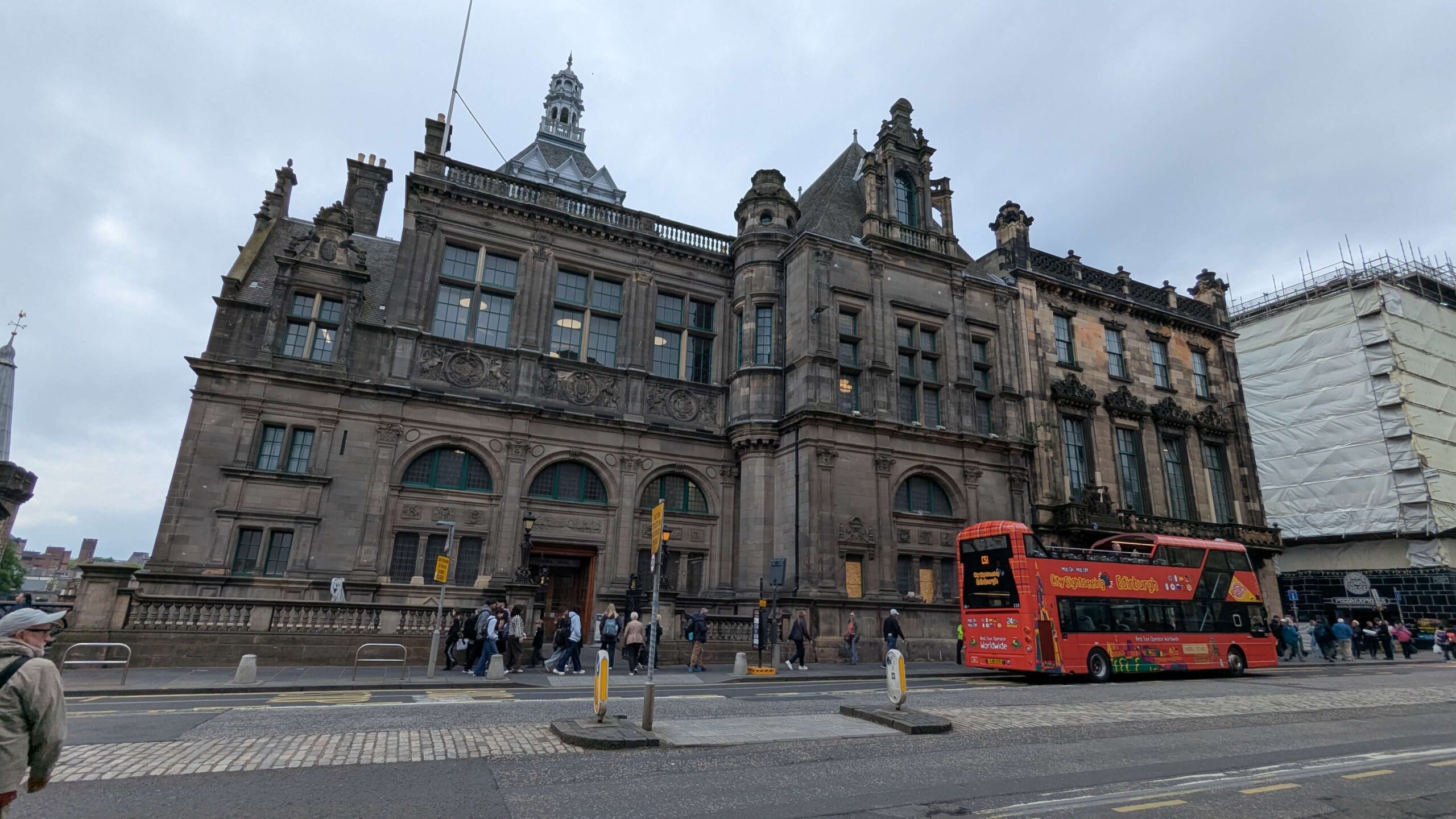 | Edinburgh Central Library – Andrew Carnegie’s Gift This building, the most-used public library in Edinburgh, was a gift from Andrew Carnegie, who built one of America’s greatest fortunes and then gave most of it away. More… |
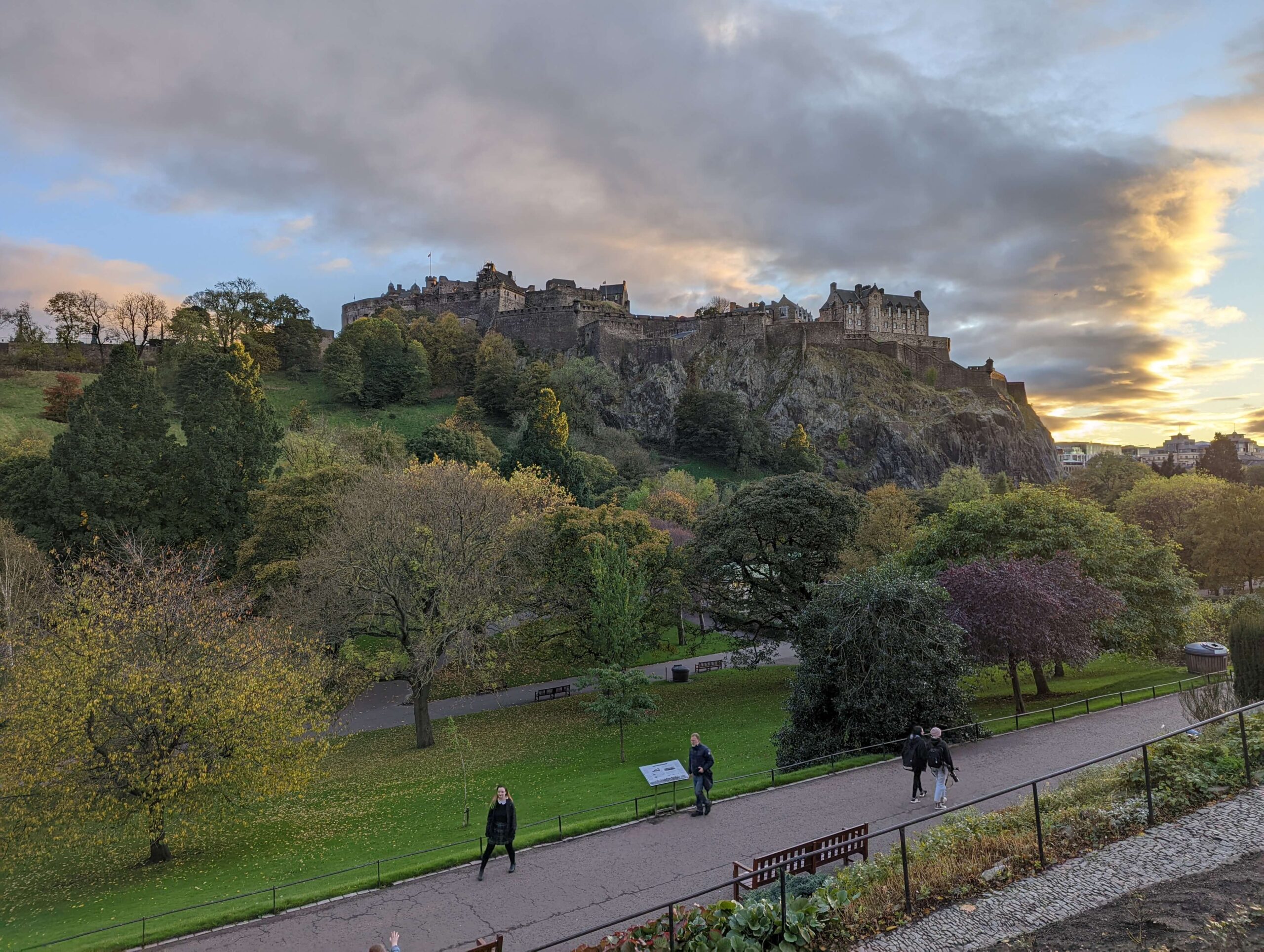 | Edinburgh Castle – Stars and Stripes Carving Edinburgh Castle held prisoners of war during the American Revolutionary War and among them were captured American sailors. More… |
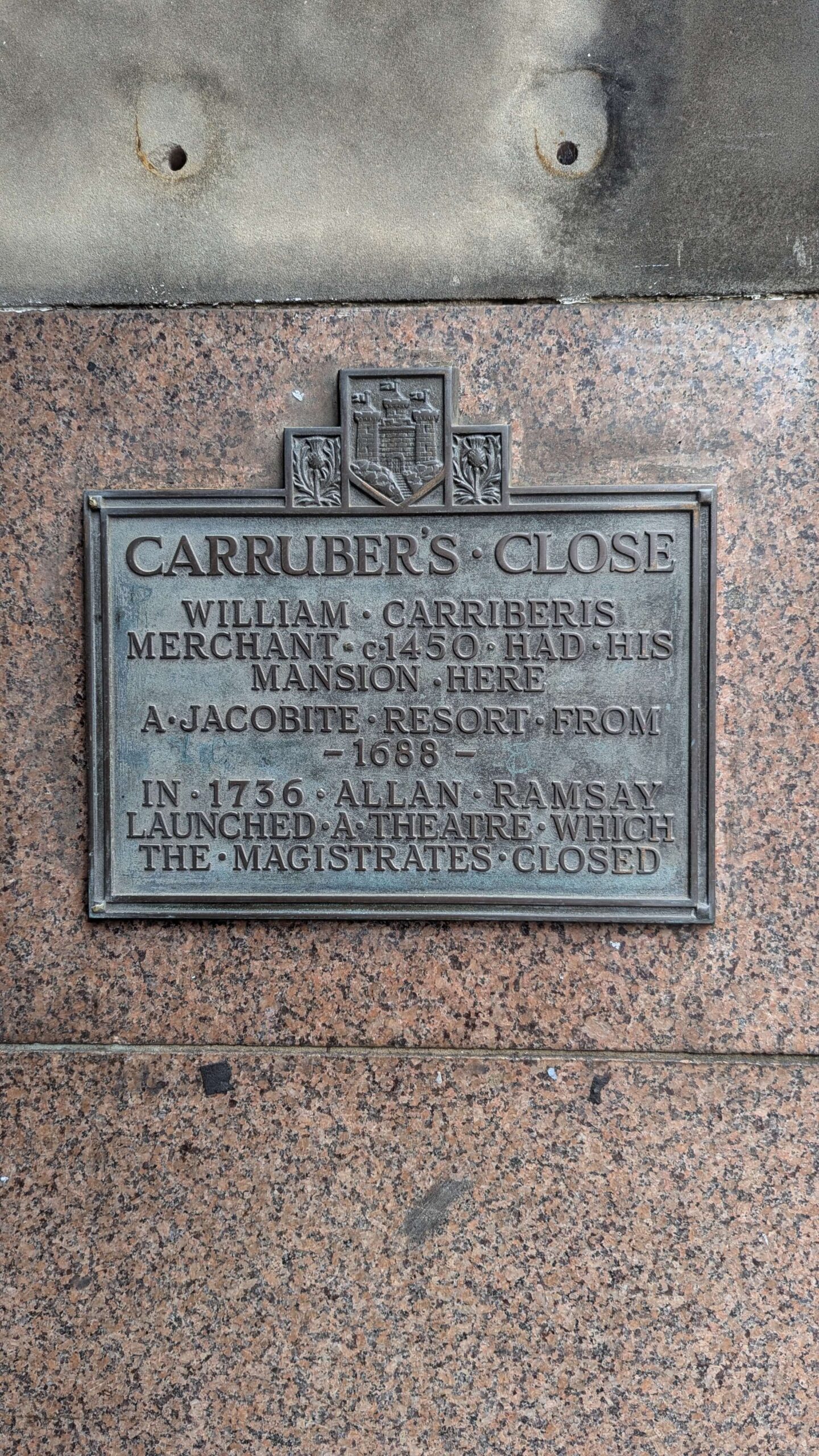 | Carrubber’s Close In 1872, Dwight L. Moody, a self-educated shoe salesman from Massachusetts turned global preacher, visited during a revival campaign and was so struck by the Carrubbers Close Mission, which did not have a permanent home… More… |
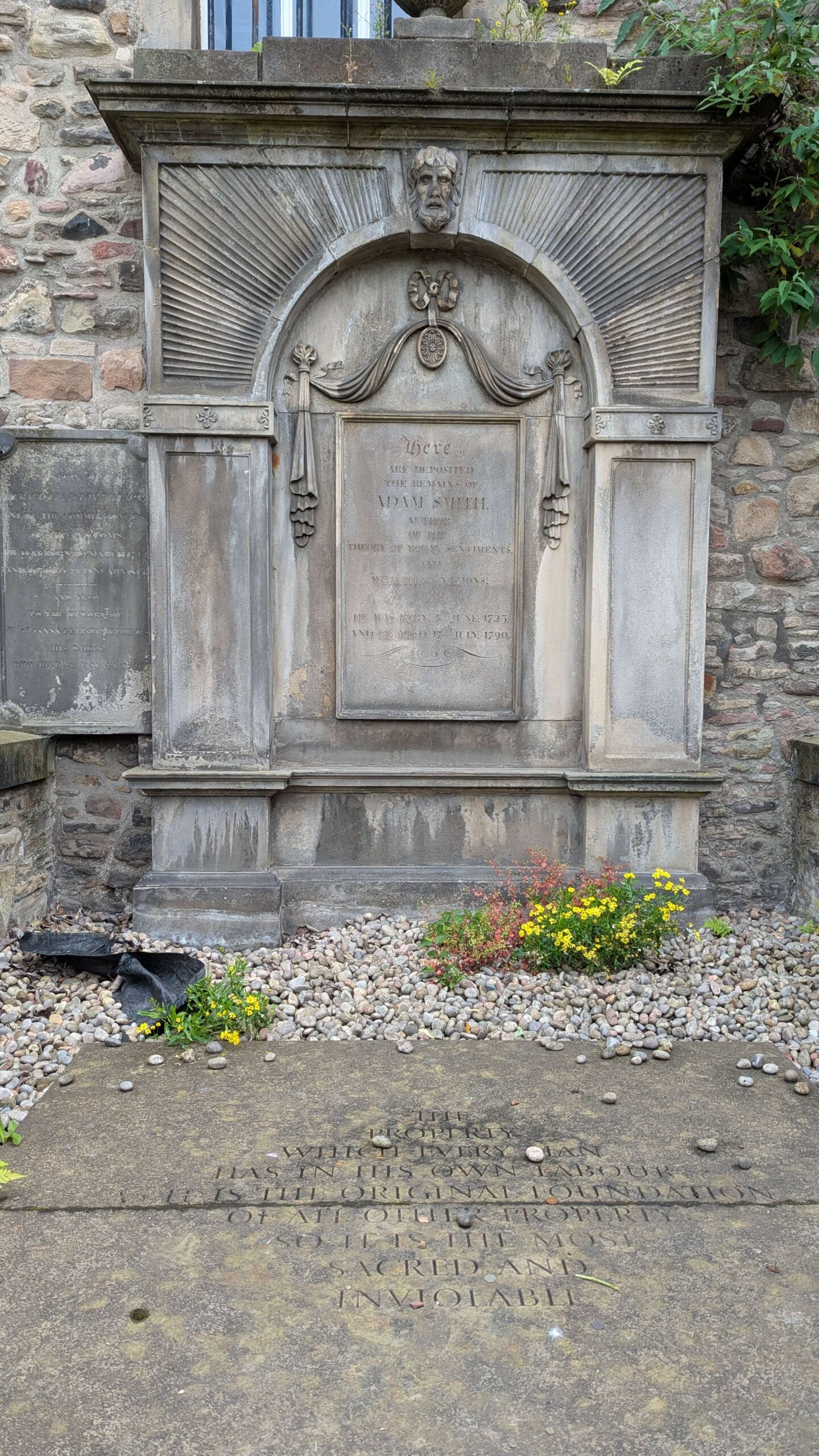 | Adam Smith Grave and Panmure House In this churchyard lies the man whose ideas shaped American capitalism. More… |
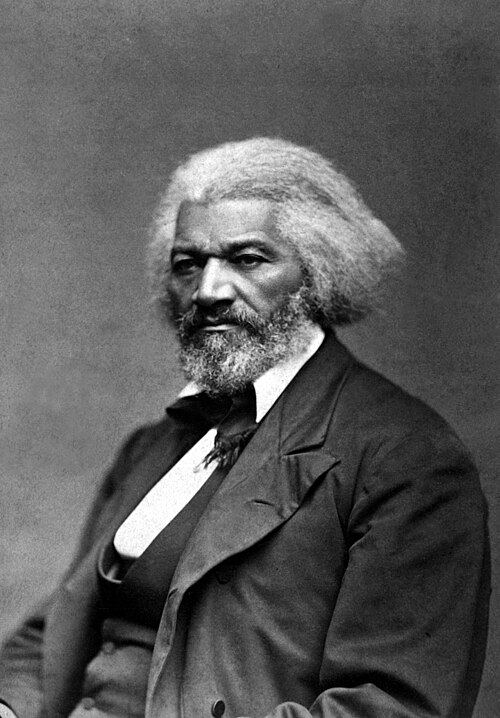 | Frederick Douglass at Waterloo Rooms On May 1, 1846, a formerly enslaved man from Maryland stood in the Waterloo Rooms at this address and addressed a public breakfast hosted by the Edinburgh Ladies’ Emancipation Society. More… |
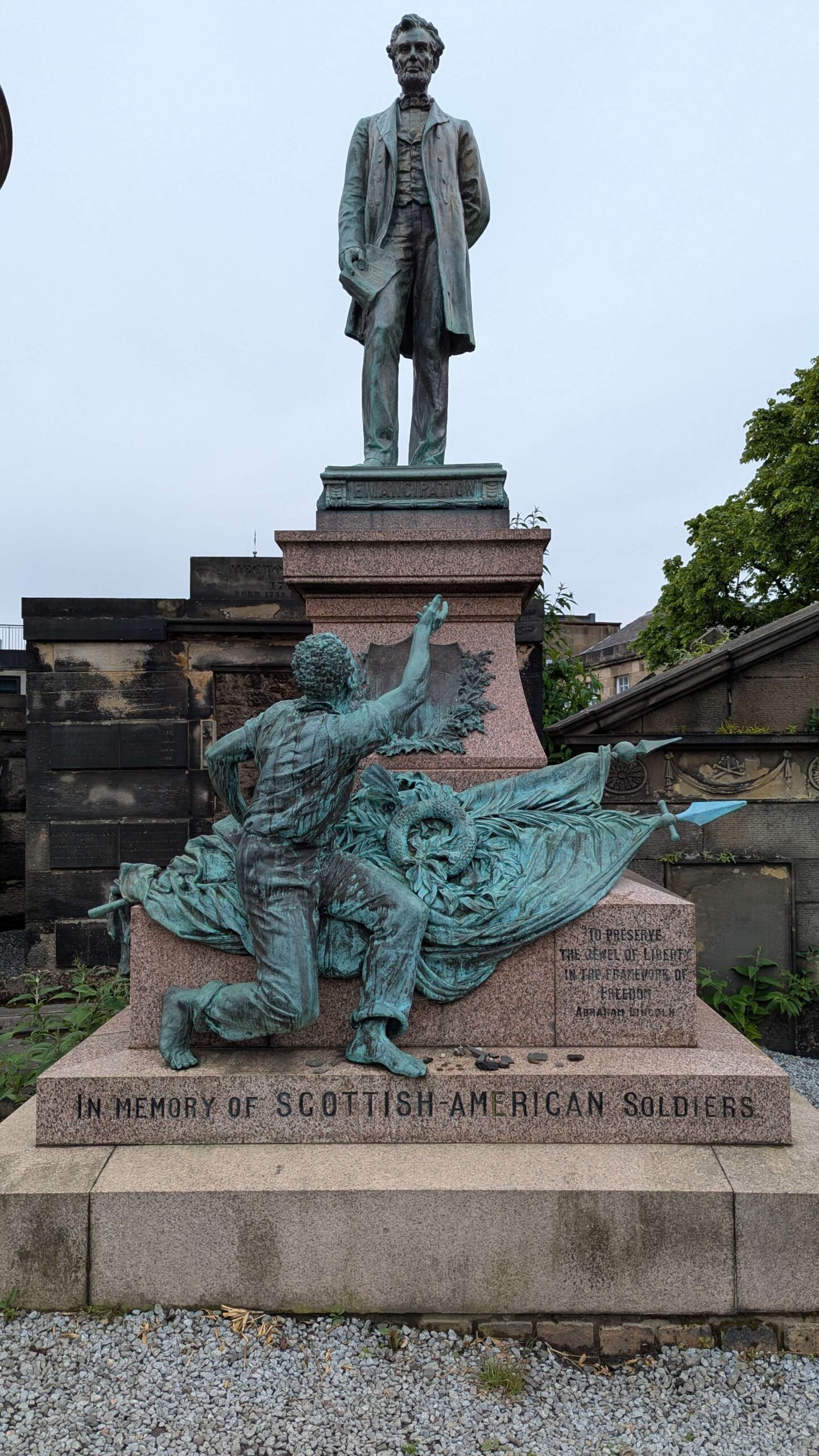 | Lincoln Monument – Calton Burial Ground This cemetery contains the only monument to Abraham Lincoln outside the United States and commemorates Scottish-American soldiers killed in the Civil War. More… |
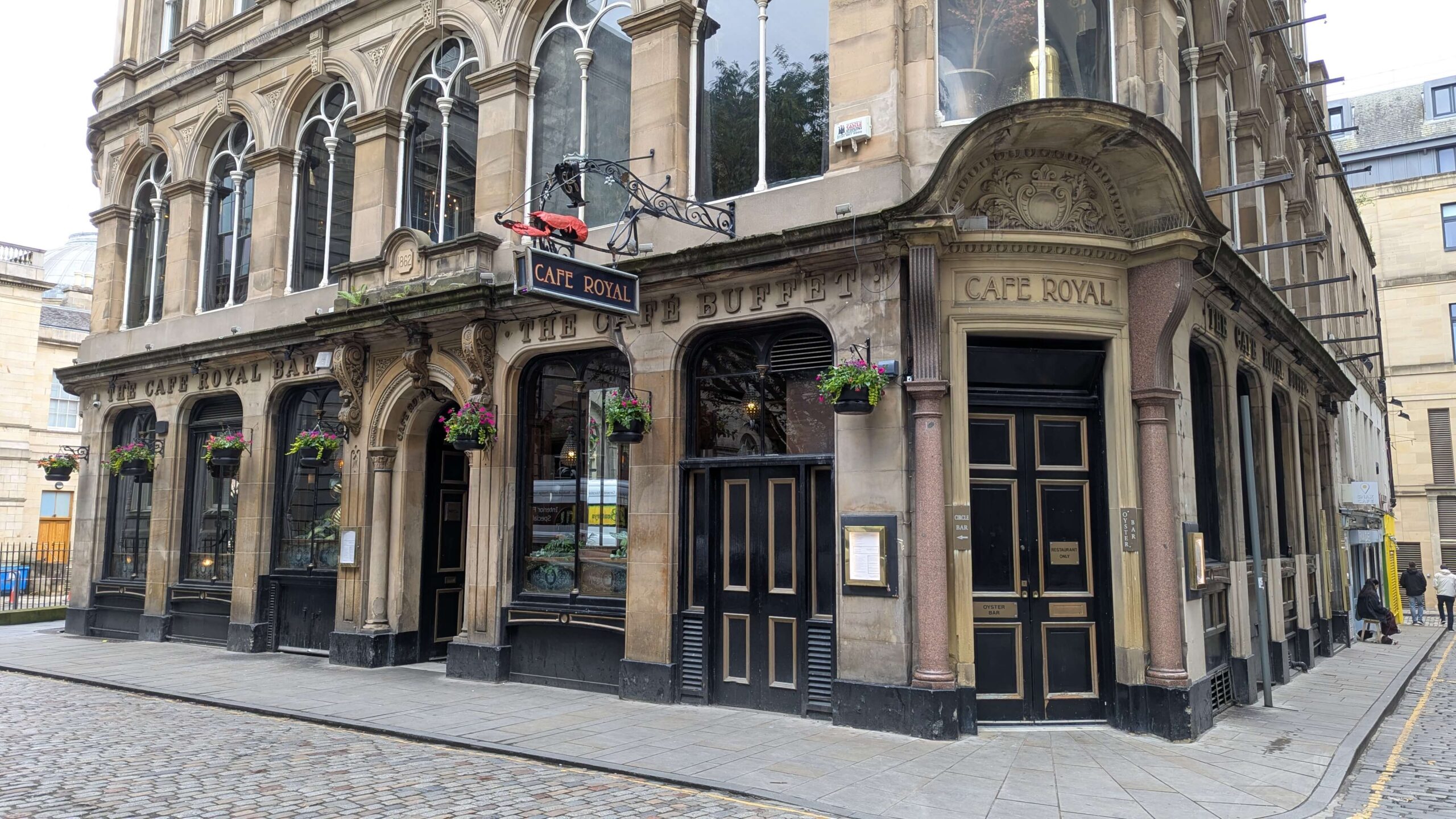 | Benjamin Franklin Tile Panel inside Café Royal Step inside this Victorian pub and look up at the walls. Among the ceramic tile murals celebrating history’s great innovators is a depiction of Benjamin Franklin at a printing press. More… |
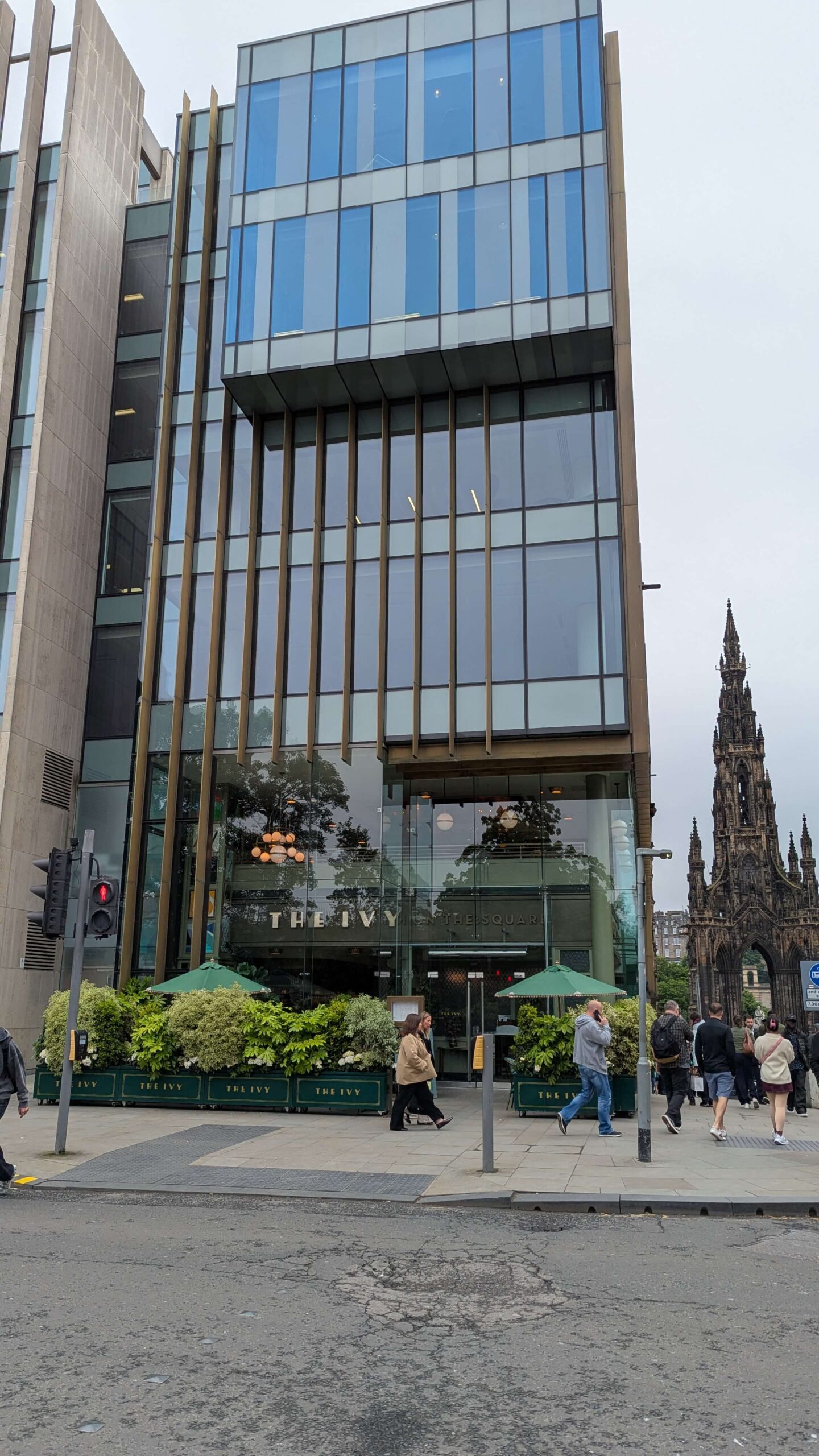 | David Hume and Benjamin Franklin A plaque marks where David Hume, one of Scotland’s greatest philosophers, lived from 1771 until his death in 1776 More… |
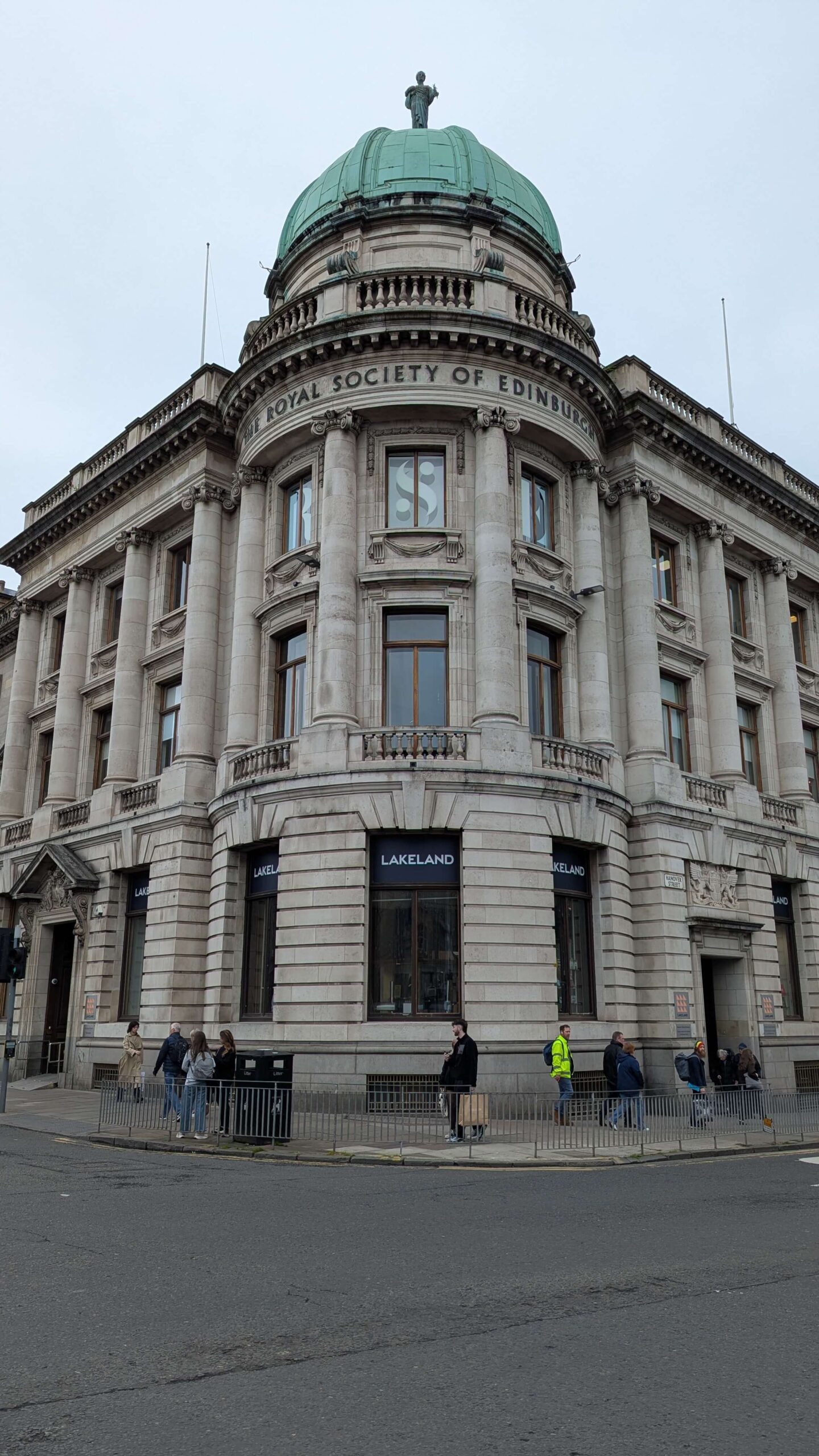 | Royal Society of Edinburgh – Benjamin Franklin’s Fellowship The Royal Society of Edinburgh is Scotland’s national academy of science and letters, and Benjamin Franklin is among its most distinguished former fellows. More… |
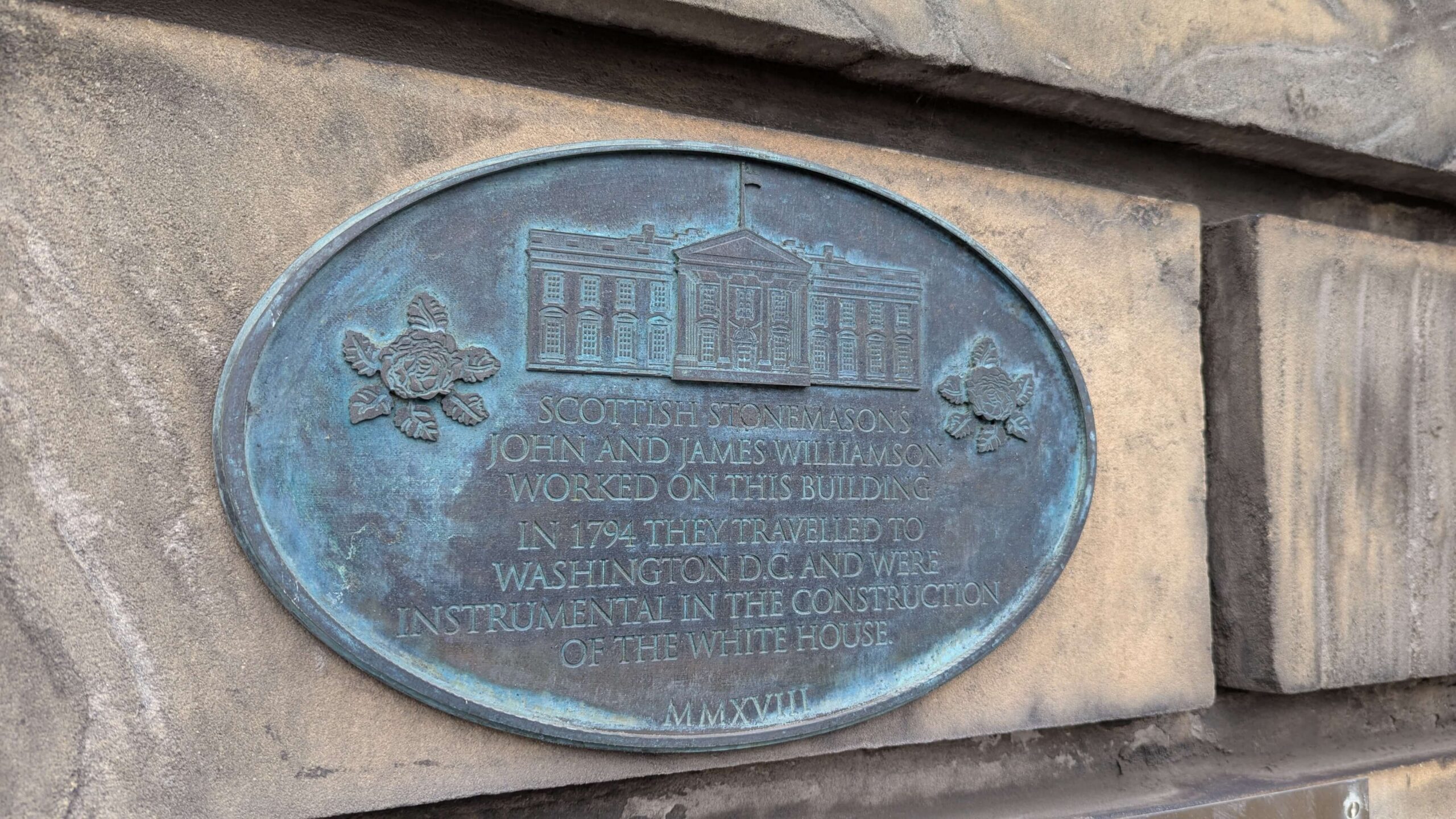 | Stonemasons and the White House A commemorative plaque on this New Town building marks the departure point of one of the most remarkable stories in the Edinburgh-America relationship. More… |
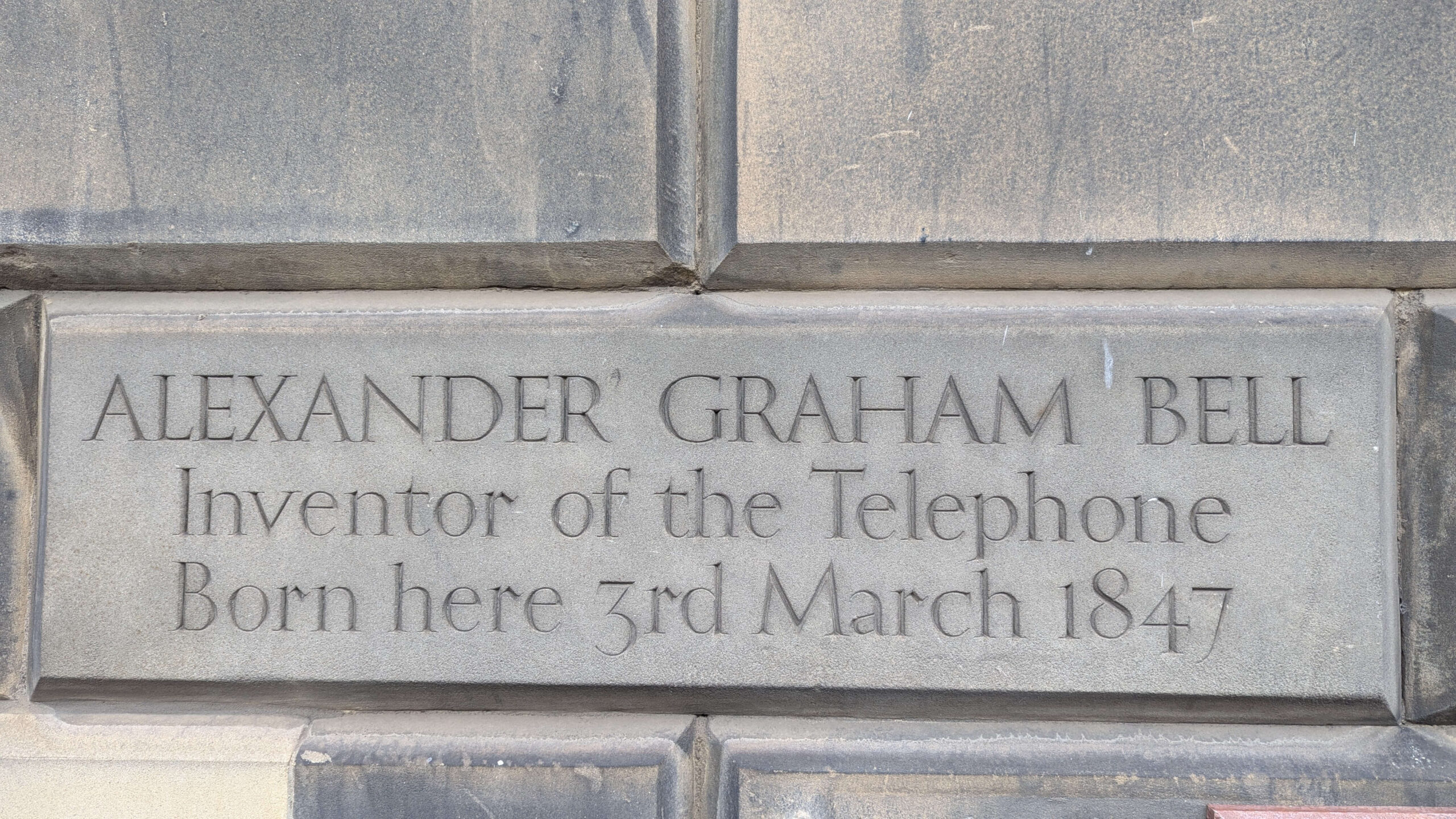 | Alexander Graham Bell’s Birthplace Alexander Graham Bell was born here on March 3, 1847. He left Edinburgh at 23, moved to Canada, then to Boston where, in 1876, he successfully demonstrated the world’s first practical telephone and filed the patent that would change the world. More… |
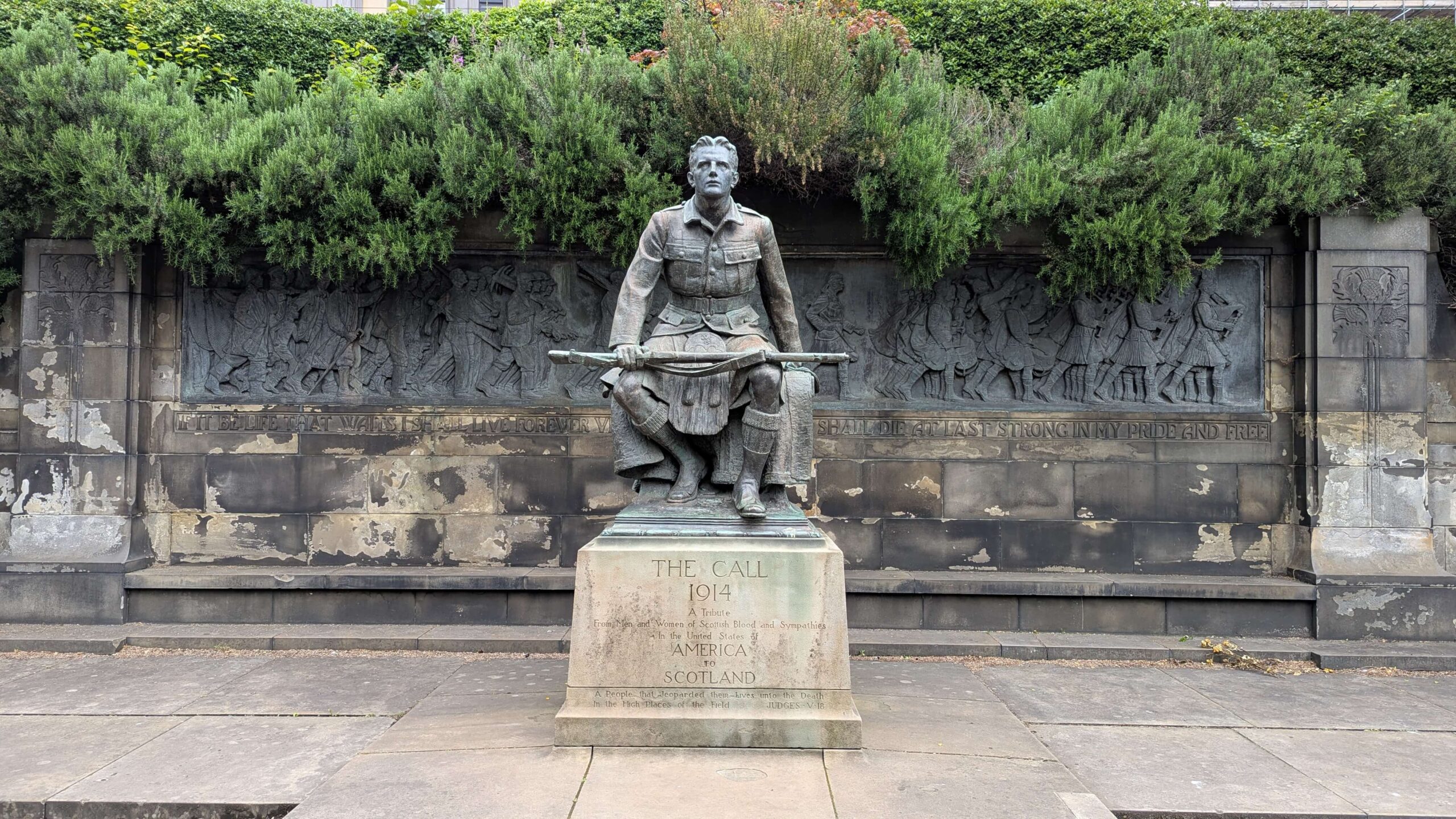 | Scottish-American Memorial Unveiled in 1927 by the U.S. Ambassador to the United Kingdom, Alanson Houghton, the memorial was designed by the sculptor R. Tait McKenzie and cast at the Roman Bronze Works in Brooklyn, New York. More… |
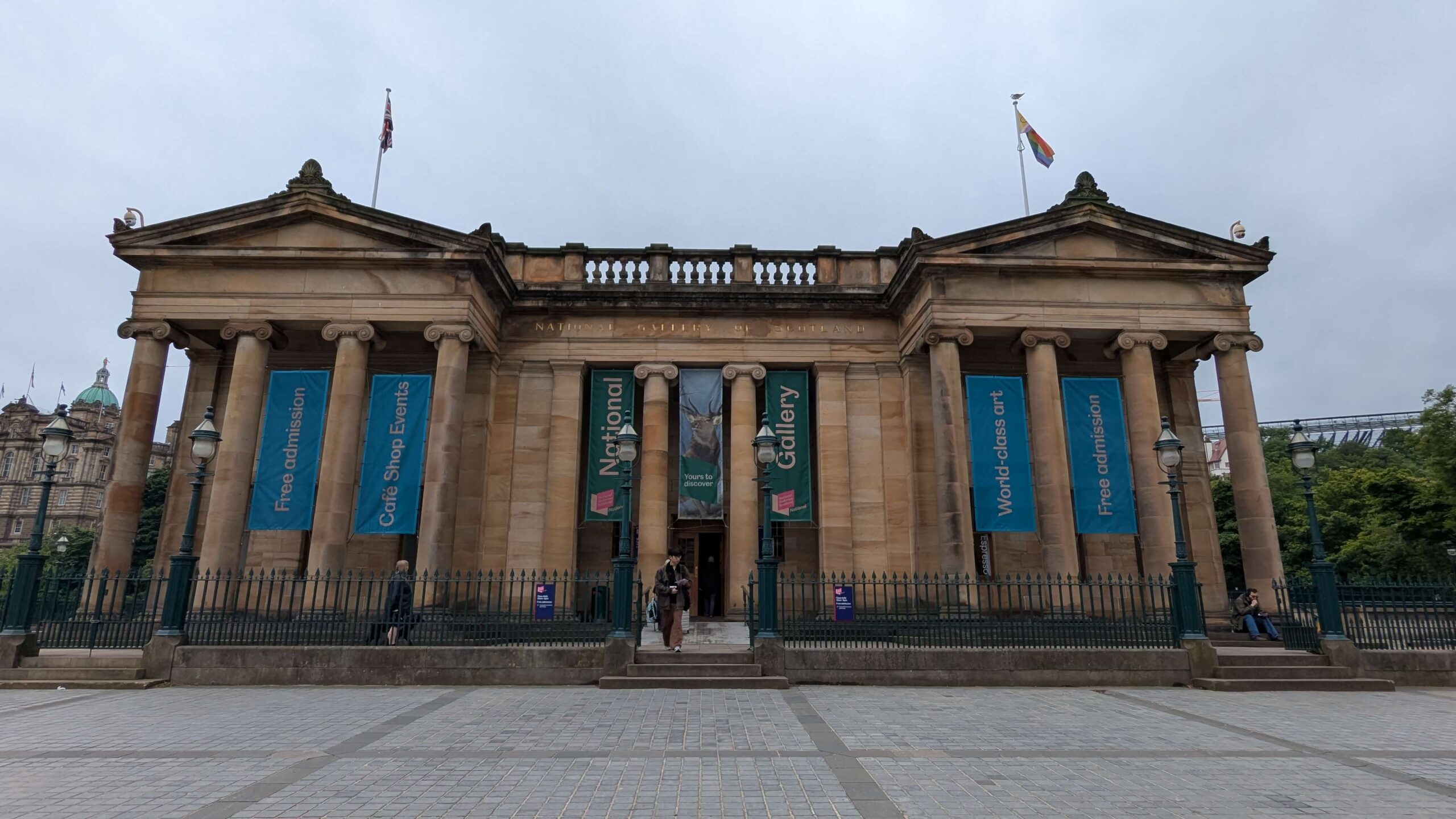 | National Gallery of Scotland Hanging in Scotland’s national art collection is the only major work by Frederic Edwin Church in any European public collection: Niagara Falls, from the American Side (1867). More… |
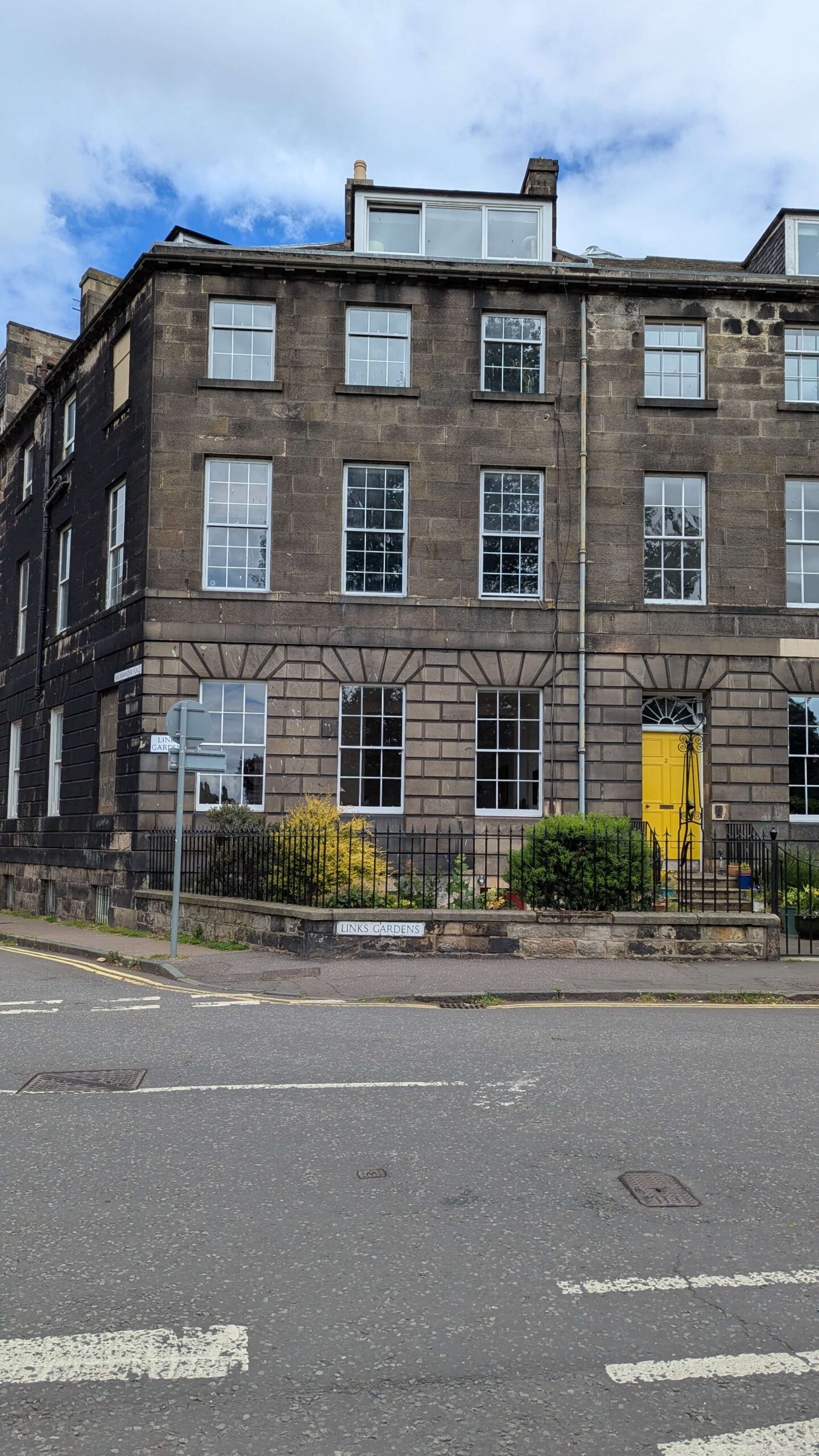 | Extension: The First U.S. Consulate to Scotland This street marks where the United States Government first planted its diplomatic flag in Scotland. On July 14, 1798, President John Adams appointed Harry Grant of South Carolina as the first U.S. Consul to Scotland. More… |
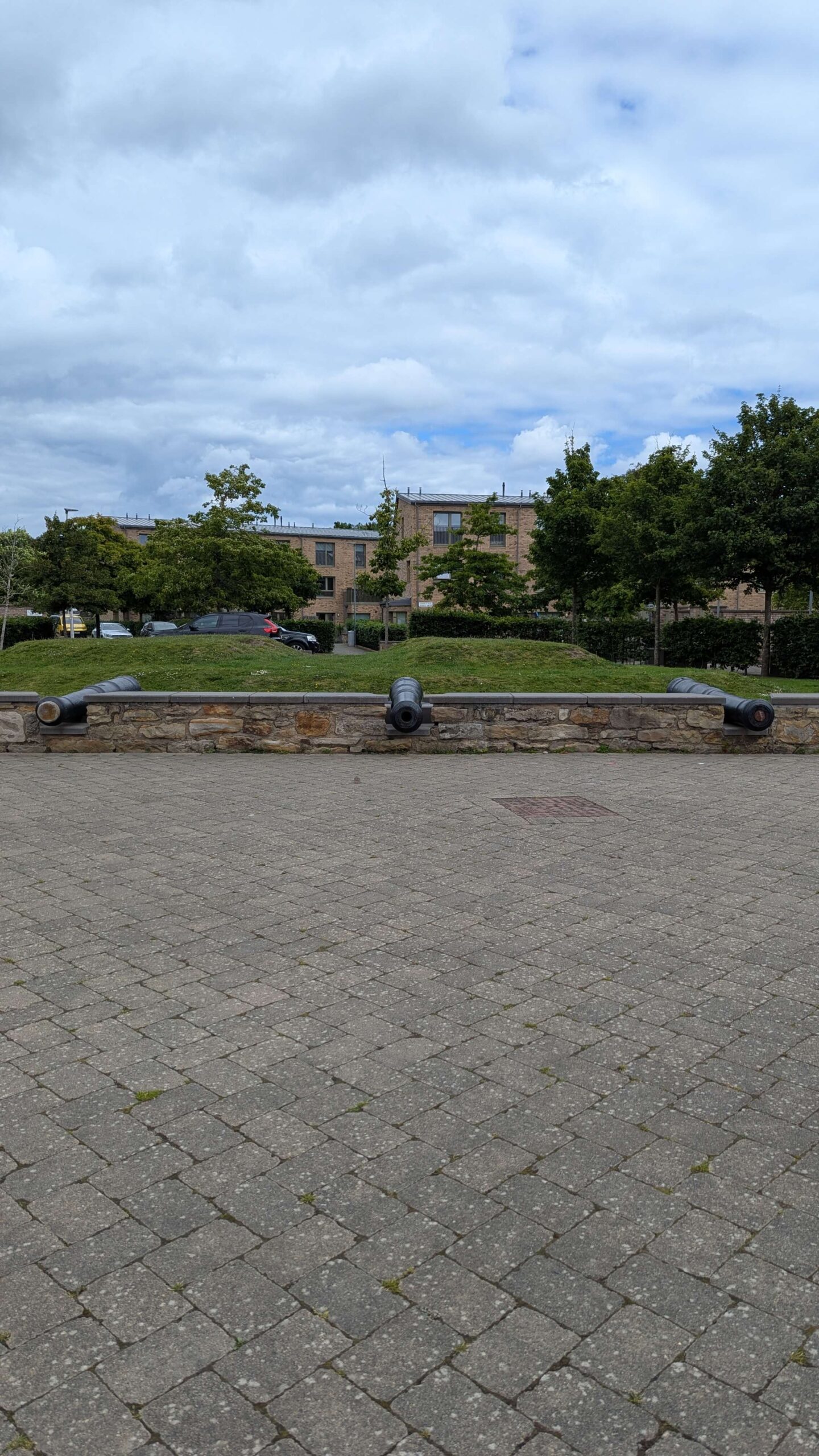 | Extension: John Paul Jones and Leith This street in Leith is named after one of the most audacious moments of the Revolutionary War. More… |
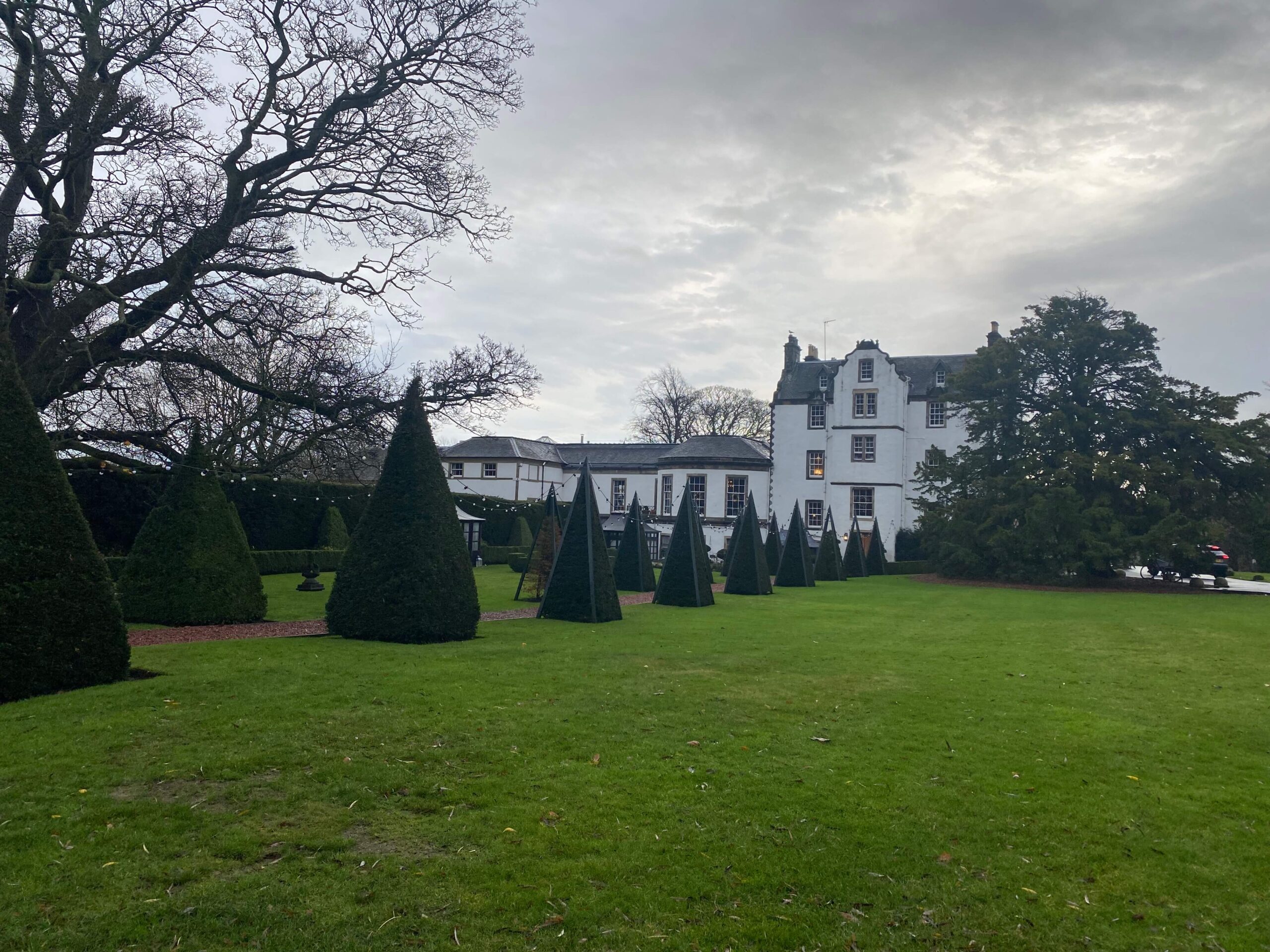 | Extension: Prestonfield House This mansion on the edge of Holyrood Park was a place where Edinburgh’s Enlightenment elite convened, Benjamin Franklin among them. More… |